Geofencing and Automated Temperature Control
Automation & Sensors
The core philosophy of modern energy efficiency is simple: heating or cooling an empty house is fundamentally wasteful. While static scheduling—setting the thermostat to drop at 8:00 AM and resume at 5:00 PM—works for rigid, predictable routines, modern life is rarely that structured. Geofencing completely removes the need for manual scheduling by using the location data of occupant smartphones to automate climate adjustments in real-time.
How Geofencing Works
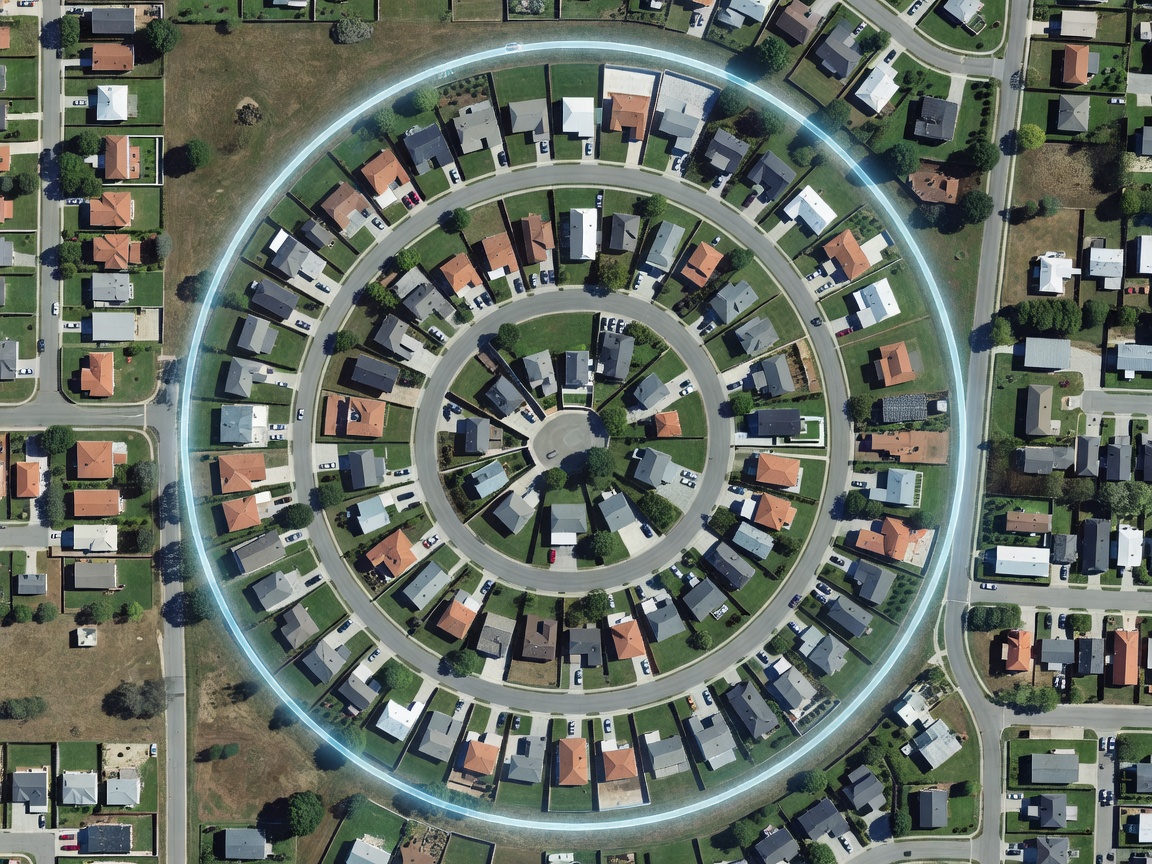
Geofencing establishes a virtual perimeter around your property, utilizing a combination of GPS, cellular triangulation, and Wi-Fi network recognition from your mobile device. When the smart thermostat's companion app detects that your device has crossed the boundary moving outward, it triggers an "Away" state, safely allowing the indoor temperature to drift. When the boundary is crossed moving inward, the "Return" state is triggered, signaling the HVAC equipment to engage and return the home to optimal comfort before you walk through the door.
Multi-User Dynamics
The primary challenge with geofencing arises in multi-occupant households. If one person leaves for work while another stays home sick, the system must be intelligent enough not to trigger the Away state. Modern platforms handle this through account linking. The thermostat monitors the location status of all registered devices in the household; the system only enters the energy-saving mode when the *last* person crosses the boundary, and it resumes comfort mode when the *first* person returns.
Boundary Radius and Thermal Inertia
Configuring the correct radius for your geofence is critical and depends heavily on your specific HVAC equipment and the thermal inertia of your home. A tightly insulated home with a rapid-heating furnace might only require a 1-mile radius; the house can recover quickly enough that it will be warm by the time you navigate local traffic.
However, homes utilizing radiant floor heating or heat pump systems (which excel at maintaining temperatures but struggle to enact rapid, multi-degree shifts) require a much larger radius—often 5 to 10 miles. Setting the radius too tight for these systems means you will arrive at an uncomfortable home, defeating the purpose of the automation.
Balancing Geofencing with Predictive Algorithms
The most advanced smart climate hubs blend geofencing data with machine learning. If the geofence registers you leaving the perimeter, but the system's localized motion sensors note activity in the hallway (perhaps a guest, a babysitter, or a large pet is still present), the physical sensor data overrides the geofence logic to maintain comfort. Conversely, if you are within the geofence boundary but the internal sensors detect zero movement for several hours and it is past midnight, the system knows it is safe to transition into a "Sleep" mode.
Privacy Implications
Allowing an application continuous background access to precise location data rightfully raises privacy considerations. Reputable manufacturers anonymize this data and limit transmission strictly to the boundary-crossing event, rather than maintaining a constant breadcrumb trail of your daily movements. The actual geographic coordinates of the boundary are typically stored locally on the device or heavily encrypted within the account framework. When configuring geofencing, always review the specific data retention and sharing policies of the platform provider.
Conclusion
By shifting from time-based to event-based automation, geofencing eliminates the mental burden of energy management. It adapts fluidly to early dismissals, spontaneous weekend trips, and fluctuating schedules, ensuring that comfort is strictly aligned with actual occupancy.