Integrating Thermostats with Smart Ecosystems
Protocols & Integration
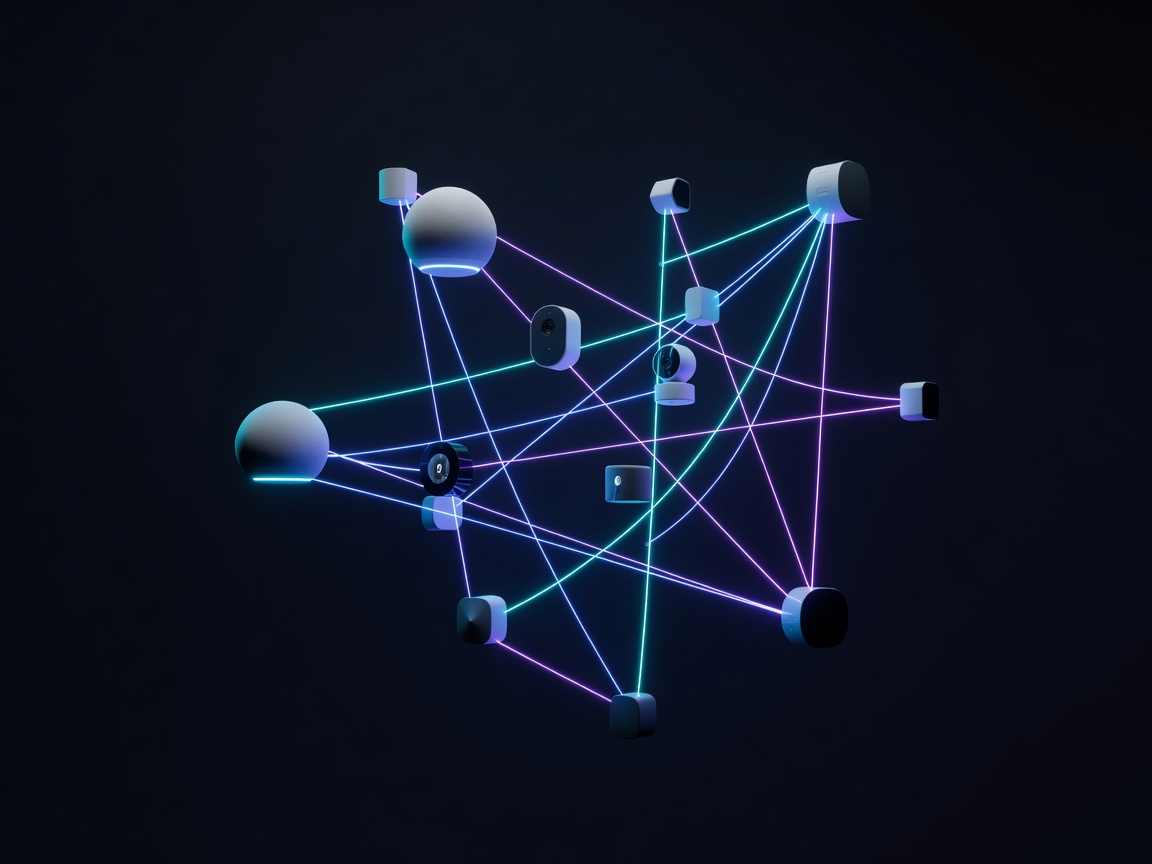
A smart thermostat operating in isolation is highly capable, but its true potential is only unlocked when it integrates seamlessly into a broader smart home ecosystem. By allowing climate control to communicate with security systems, lighting networks, and automated window treatments, you transition from simple scheduling to comprehensive environmental automation. However, navigating the fragmented landscape of wireless protocols is essential to building a cohesive system.
The Evolution of Connectivity Protocols
Historically, building a unified smart home required strict brand loyalty or complex third-party software hubs to translate different languages. A thermostat on Wi-Fi couldn't easily trigger a lightbulb using Zigbee without a localized bridge.
Matter and Thread: The industry is currently undergoing a massive standardization effort driven by the Matter protocol. Matter acts as a universal application layer, ensuring that devices from competing manufacturers can communicate locally and securely. Thread, the underlying network protocol often used with Matter, is a low-power, IPv6-based mesh network. By choosing a thermostat that supports Matter over Thread, you ensure future-proof compatibility. It allows the device to respond rapidly without relying on cloud servers, maintaining functionality even if your external internet connection drops.
Synergies with Security and Occupancy
Security systems offer the most powerful synergy with smart thermostats. A security system inherently knows the status of the home with pinpoint accuracy.
- Arming Status: When the security panel is set to "Armed - Away," the thermostat can instantly drop into an aggressive Eco mode, bypassing any scheduled temperature changes.
- Window and Door Sensors: If a contact sensor detects that a sliding glass door has been left open for more than five minutes, the ecosystem can automatically shut down the HVAC compressor to prevent wasting energy on conditioning the outdoors, sending a push notification to your device simultaneously.
- Smoke and CO Integration: In an emergency scenario, interconnected smoke detectors can command the thermostat to instantly shut off the circulation fan. This prevents the HVAC ductwork from rapidly spreading smoke or toxic fumes throughout the structure.
Environmental Automations
Integrating climate with automated window shades offers a highly effective passive temperature management strategy. During the peak summer heat, if the indoor temperature exceeds a specific threshold, the ecosystem can automatically lower south-facing motorized blinds to block solar gain before activating the more energy-intensive air conditioning system.
Conversely, during winter months, the system can utilize astronomic timers to open shades during peak daylight hours, capturing free solar heat and reducing the burden on the furnace, before closing them at dusk to trap the warmth inside.
Privacy and Local Control
As devices become deeply interconnected, data privacy concerns naturally arise. The shift towards protocols like Matter over Thread is partially driven by a desire for localized processing. By reducing reliance on cloud-based APIs (where your behavioral data is often logged and analyzed on external servers), local mesh networks keep your occupancy patterns, routine schedules, and temperature preferences securely contained within the physical walls of your home.
Conclusion
When selecting a smart thermostat, evaluating its interoperability is just as important as reviewing its heating and cooling logic. By prioritizing open standards and looking for deep API integrations with your existing smart home platforms, the thermostat transforms from a simple switch on the wall into the localized brain of your home's environmental management.